Remote Work in Animation, VFX & Game Design: Is It Realistic in India?
Remote work in creative-technical fields has become genuinely more viable in India over the past several years — worth understanding realistically, including both the real opportunities and the genuine, practical limitations that remain.
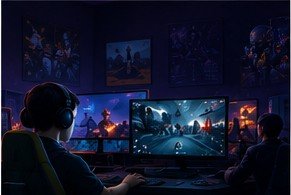
Remote and hybrid work arrangements have grown substantially more common and accepted across animation, VFX, and game studios, both domestically and internationally. Many studios, particularly for specific production stages that don't require constant, in-person real-time collaboration (modeling, texturing, certain animation and compositing work), increasingly hire remote artists — a genuine shift from the more strictly in-studio norms that dominated this industry historically, and directly relevant to the Coimbatore-specific opportunity discussed elsewhere.
International remote work — working for studios or clients based outside India — represents a genuinely significant opportunity, worth understanding specifically. Indian artists increasingly work remotely for international studios and clients, sometimes through direct employment, more commonly through freelance or contract arrangements, benefiting from the same international-client income advantages discussed regarding freelance work elsewhere, while working entirely from India without needing to relocate.
The genuine limitations worth understanding honestly, rather than assuming remote work is now universally available across all roles. Certain roles and production stages genuinely benefit from — or specifically require — in-person collaboration: early creative development and direction-setting stages, roles requiring frequent, rapid, real-time creative feedback loops, and leadership or supervisory roles managing teams often still favor at least some in-person presence, particularly at larger, more traditionally structured studios. Remote viability varies genuinely by specific role and specific studio culture, not as a uniform, field-wide reality.
Time zone considerations matter significantly for international remote work specifically, worth planning for realistically. Working remotely for a US or European studio or client means navigating meaningful time zone differences — some roles and working relationships handle this well through asynchronous work and flexible scheduling; others genuinely require some real-time overlap with a client or team's working hours, which can mean unusual working hours for the India-based remote worker, worth understanding and planning for honestly rather than assuming remote work always means fully flexible, self-determined hours.
Building genuine remote-work readiness requires deliberately building specific skills beyond just craft skill alone. Strong self-management and communication skills (since remote work requires more proactive, clear communication than in-person collaboration naturally provides), reliable technical setup (a genuinely capable computer and stable internet connection, worth factoring into the cost planning discussed elsewhere), and comfort with the specific collaborative tools discussed regarding real-time collaboration elsewhere, are all genuinely necessary complementary skills for succeeding in remote creative-technical work specifically.
A grounded, realistic framing for students considering this path: remote work in this field is genuinely, meaningfully more viable in India today than it was even five years ago, and represents a real, legitimate career path — particularly valuable for students not wanting to relocate to major studio hub cities — but it's not universally available across every role and studio, and succeeding at it requires deliberately building genuine self-management and communication skills alongside core creative-technical craft, not simply assuming remote opportunities will be equally accessible regardless of specific role or specific effort invested in these complementary skills.