Real-Time Collaboration Tools Changing How Creative Teams Work
The way creative teams actually work together has shifted substantially over the past several years, and understanding these tools isn't optional workplace trivia — it's a genuine, expected skill in most modern creative and production environments.
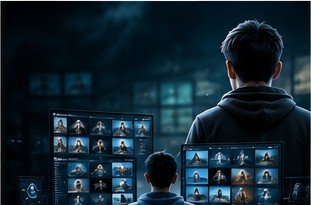
Design collaboration has fundamentally changed with tools like Figma. Multiple designers (and even developers or stakeholders) can work inside the same file simultaneously, watching changes happen in real time, commenting directly on specific elements, and reviewing version history transparently. This replaced a much slower, older workflow of emailing files back and forth and manually tracking which version was current — a workflow students should understand existed, mainly to appreciate why current tools are genuinely valuable, not just trendy.
3D and game development collaboration tools have matured significantly too. Cloud-based version control adapted for large binary art files, real-time multiplayer editing in some game engines, and shared asset libraries let distributed teams — sometimes across different cities or countries — work on the same production simultaneously, a capability that's become increasingly important as remote and hybrid creative work has grown more common.
Why this matters specifically for a student's employability, not just convenience: studios and companies increasingly expect familiarity with these collaborative workflows as a baseline skill, not an advanced extra — knowing how to work inside a shared Figma file with live comments, or understanding basic cloud-based asset version control, is now closer to a fundamental professional expectation than a specialized skill to highlight separately.
Communication skills matter more, not less, in these collaborative environments. Real-time collaboration tools make it easier to work together, but they also make sloppy communication more visible and more disruptive — a poorly-worded comment on a live design file, or conflicting simultaneous edits, cause real friction in a way that a slower, asynchronous email exchange sometimes buffered against. Clear, specific, professional written communication is an underrated skill that these tools put a premium on.
A practical way for students to build genuine fluency, not just familiarity: actively practice collaborative workflows during coursework, not just individual work — group projects using shared Figma files with live commenting, or shared 3D scenes with proper version control practices, build real, transferable habits that individual assignment work alone doesn't develop, and that recruiters increasingly ask about directly in interviews.