Animation vs. VFX: Which Creative Career Path is Right for You?
📌 Table of Contents
Choosing a career in the rapidly growing AVGC (Animation, Visual Effects, Gaming, and Comics) industry is an exciting step. However, prospective students and parents often confuse its two most prominent pillars: Animation and VFX (Visual Effects). While both fields share common software and technical pipelines, they demand entirely different artistic mindsets, day-to-day routines, and career goals.
Understanding these differences is crucial to choosing a path that aligns perfectly with a student's natural talents.
Animation: Creating Life from Scratch
Animation is fundamentally about performance and storytelling. If a student loves drawing, character development, and acting, animation is their natural calling.
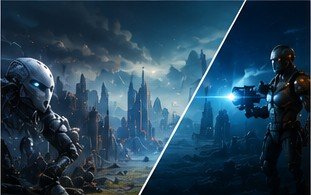
Animators create characters, worlds, and movements entirely from nothing. Whether it is a 3D Pixar feature film, a 2D anime series, or a character in a mobile game, the animator's core job is to breathe life, emotion, and personality into a digital asset.
The Daily Workflow: Animators spend hours tweaking the micro-expressions of a character's face, perfecting the weight and balance of a run cycle, or timing a comedic pause.
The Mindset: This path requires immense patience, a strong understanding of human psychology, body language, and a passion for pure performance. It is the digital equivalent of being an actor behind the camera.
Core Career Roles: Character Animator, Storyboard Artist, Rigging Artist (who builds the digital skeleton for characters), 3D Modeler, and Concept Artist.
VFX: Blending Imagination with Reality
VFX is the art of seamless integration and illusion. If a student is fascinated by how live-action Hollywood or regional blockbusters bring impossible spectacles to life—like a digital dragon perched on a real castle or a futuristic city skyline—they belong in VFX.
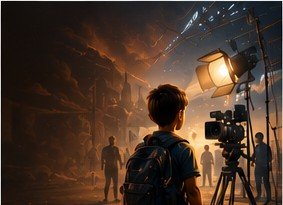
Unlike animation, which creates a fictional world from scratch, VFX always starts with live-action footage. The VFX artist’s primary goal is to combine computer-generated (CG) elements with real-world video so flawlessly that the audience believes it is completely real.
The Daily Workflow: VFX artists spend their time matching the lighting of a digital object to a real-world camera plate, removing safety wires from stunt actors, or simulating complex physics like shattering glass, smoke, and water.
The Mindset: This path is highly technical, analytical, and heavily tied to the filmmaking process. It requires an exceptional eye for real-world lighting, photography, physics, and complex problem-solving.
Core Career Roles: Compositor (the final artist who glues all layers together), FX Artist (simulating fire, fluids, and explosions), Lighting Technical Director, and Matchmove Artist.
The Verdict: Performance vs. Spectacle
To simplify the choice for parents and students, think of it this way: Animation creates the performance, while VFX creates the spectacle.
If the student is driven by character acting, stylized worlds, and emotional expression, they will thrive in Animation. If they are a tech-savvy puzzle solver who loves films, camera work, photography, and hyper-realistic illusions, VFX is the ideal choice.
Both industries offer incredible global career trajectories, competitive salaries, and freelance opportunities. The choice ultimately comes down to whether the student wants to build a brand-new universe or masterfully enhance our existing one.